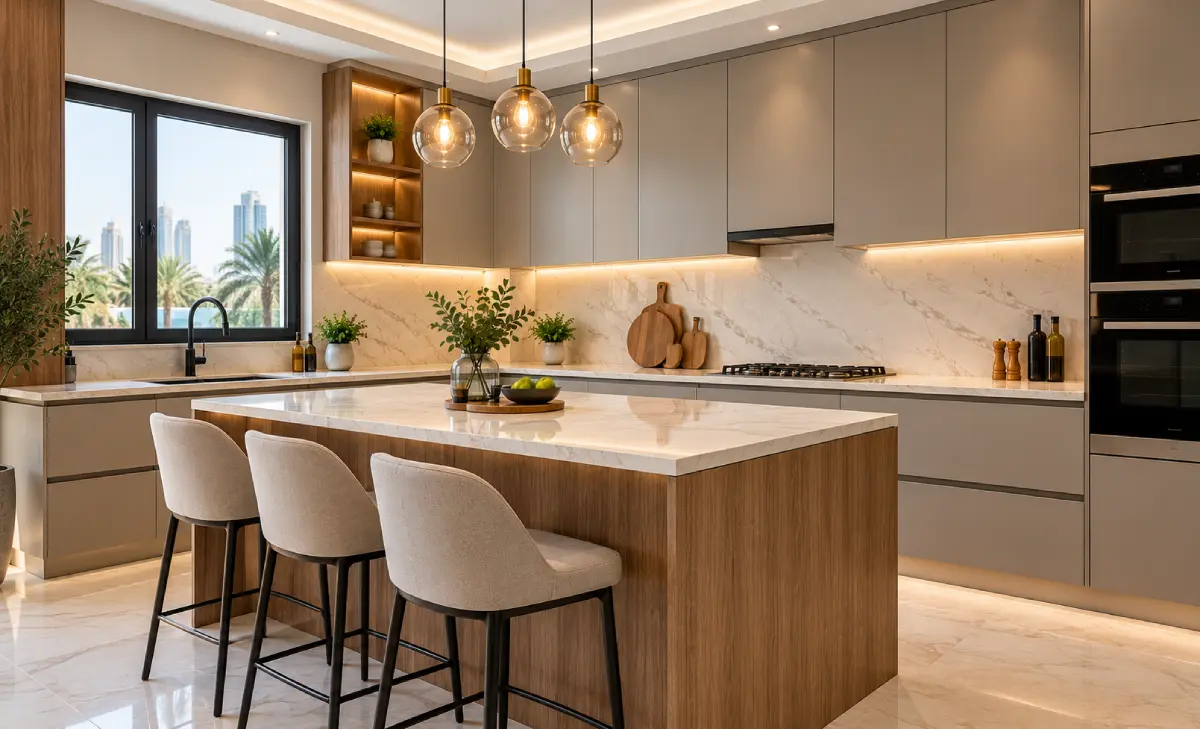
A kitchen can start looking outdated long before the cabinets themselves need replacing. Colours fade, finishes become dated, and everyday use can leave doors and drawers looking tired. However, when the existing kitchen units are still structurally sound, removing them simply to achieve a different appearance may be unnecessary.
Kitchen unit wrapping provides a practical way to transform existing cabinets using premium architectural vinyl films. Cabinet doors, drawers, side panels, plinths, cornices and other suitable surfaces can receive a completely different finish while the original kitchen structure remains in place. For homeowners considering kitchen wrapping Dubai, it can provide a faster and less disruptive alternative to complete kitchen replacement.
Kitchen Unit Wrapping for a Modern Kitchen Makeover
Replacing an entire kitchen makes sense when cabinets are badly damaged, the layout needs to change, or major structural work is required. However, many kitchens do not have these problems. The cabinets work perfectly well, but their colour, finish or overall style no longer suits the home.
Kitchen unit wrapping focuses on these visible surfaces. Instead of removing usable cabinets, architectural vinyl is professionally installed over suitable existing surfaces to create a refreshed appearance.
What Is Kitchen Unit Wrapping?
Kitchen unit wrapping is the process of applying architectural vinyl film to existing kitchen surfaces. The film is available in a wide selection of colours, patterns and textures, allowing the appearance of the kitchen to change without rebuilding the cabinets.
Depending on the kitchen design and surface condition, wrapping can be used on cabinet doors, drawer fronts, side panels, end panels, kitchen islands, plinths, cornices and other suitable areas.
The process requires more than simply covering an existing surface. Correct preparation, accurate measurement, professional application, careful trimming and detailed edge finishing all contribute to the final appearance and durability.
Which Kitchen Units Can Be Wrapped?
Most of the visible areas of a suitable kitchen can potentially be transformed. However, every surface should be inspected before installation because the condition and material of the existing unit affect whether vinyl wrapping is appropriate.
Kitchen Cabinet Doors
Cabinet doors usually occupy the largest visible area of a kitchen. Changing their colour or finish can therefore make a major difference to the overall appearance of the room.
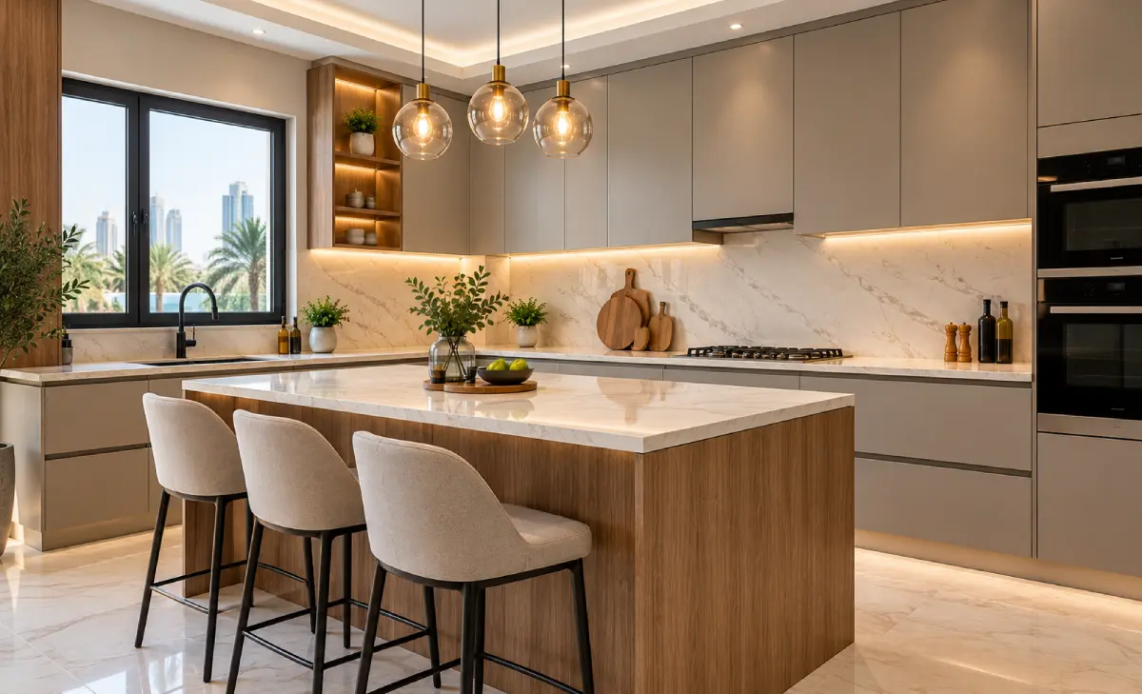
Existing doors can be transformed into matte, gloss, wood, stone or solid-colour finishes without replacing the entire cabinet structure. This makes cabinet wrapping particularly useful when the doors are functional but visually outdated.
Drawer Fronts and Side Panels
Drawer fronts and visible side panels should normally complement the cabinet doors. Leaving these areas in their original finish can make a kitchen transformation appear incomplete.
Wrapping these surfaces helps create a consistent finish across the kitchen and allows homeowners to coordinate different sections of the cabinetry.
Kitchen Islands, Plinths and Cornices
A kitchen island often becomes a visual focal point and can either match the main cabinetry or use a contrasting finish. Plinths, cornices and smaller finishing elements can also be wrapped where their surfaces are suitable.
Including these details helps create a more complete transformation rather than changing only the most obvious cabinet doors.
Popular Vinyl Finishes for Kitchen Units
One advantage of kitchen unit wrapping is the range of design options available. Instead of being restricted to the original cabinet finish, homeowners can select a style that better matches the rest of the interior.
Wood Finish Kitchen Wrap
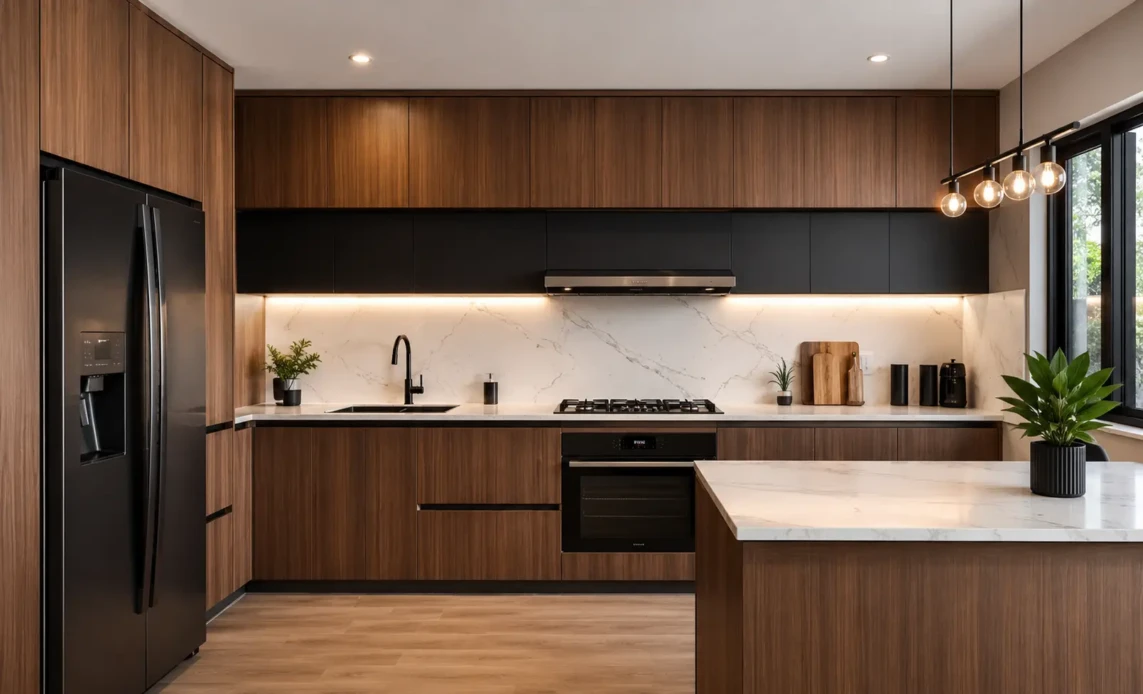
Wood-effect vinyl can introduce a warmer and more natural appearance without replacing existing cabinets with new timber units. Different tones can be used to create light Scandinavian-inspired kitchens, warmer traditional interiors or darker contemporary designs.
Matte and Solid Colour Finishes
Matte finishes work particularly well in modern kitchens because they create a clean and understated appearance. Neutral shades can keep the kitchen bright, while darker colours can create stronger contrast with countertops, flooring and walls.
Marble and Stone Effects
Marble and stone-effect films can introduce a premium visual finish to suitable surfaces. These patterns can also be coordinated with cabinet colours to create a more unified kitchen design.
How Kitchen Unit Wrapping Is Done
The quality of a wrapped kitchen depends heavily on preparation and installation. Professional wrapping follows a structured process to ensure that the vinyl is applied to a suitable, properly prepared surface.
Surface Inspection
The first step is checking the condition of the existing kitchen units. Doors, drawers, panels and other surfaces need to be stable enough for wrapping.
Severe water damage, swelling, loose coatings or structural problems may need to be repaired before wrapping. In some cases, replacement may be more appropriate for individual damaged components.
Cleaning and Preparation
Kitchen surfaces regularly collect grease, cooking residue, dust and cleaning products. These contaminants need to be removed before vinyl installation because proper adhesion depends on a clean and correctly prepared surface.
Measuring and Vinyl Application
Each surface is measured before the selected vinyl is cut and positioned. The film is then applied using professional installation techniques, with heat and pressure used where appropriate to work around edges and details.
Trimming and Edge Finishing
The final stage involves careful trimming around edges, corners and adjoining surfaces. Clean finishing is particularly important around cabinet doors and frequently handled areas because these details strongly influence the overall quality of the completed kitchen.
Kitchen Unit Wrapping vs Replacing Cabinets
Replacing kitchen cabinets can involve dismantling existing units, disposal, carpentry, delivery, installation and additional finishing work. It may also affect countertops, backsplash, plumbing or electrical components depending on the extent of the renovation.
Kitchen unit wrapping takes a different approach. When the existing cabinets are structurally sound, they remain in place while the visible surfaces are transformed.
This can reduce unnecessary demolition, material waste and disruption inside the property. It can also make the project more cost effective when the objective is primarily to change the appearance rather than redesign the entire kitchen.
For a more detailed comparison, read our Kitchen Wrapping vs Kitchen Renovation guide before deciding which approach is suitable for your kitchen.
Can Countertops and Backsplash Be Wrapped Too?
A kitchen makeover does not necessarily need to stop with the cabinets. Depending on the existing materials and condition, other surfaces can also be considered as part of the transformation.
Suitable worktops may be upgraded using countertop wrapping, providing an opportunity to coordinate the worktop with newly wrapped cabinets.
Selected wall surfaces can also be transformed through backsplash wrapping. Combining these services can create a more noticeable kitchen makeover without automatically replacing every existing surface.
How Much Does Kitchen Unit Wrapping Cost?
There is no single kitchen unit wrapping price because every kitchen has a different layout, number of cabinets and surface condition. A small apartment kitchen with a limited number of doors will have different requirements from a large villa kitchen with extensive cabinetry and a central island.
Factors That Affect Wrapping Cost
The final quotation can depend on the number of cabinet doors and drawers, total surface area, condition of the existing units, selected vinyl finish, complexity of the cabinet design and the number of additional panels that need wrapping.
Including countertops, backsplash or other surfaces can also affect the overall project cost. A site assessment therefore provides a more accurate quotation than estimating the price based only on the number of cabinets.
How Long Does Kitchen Unit Wrapping Last?
The lifespan of a wrapped kitchen depends on the quality of the architectural film, surface preparation, installation, daily use and maintenance. Heat exposure, moisture, sharp objects, abrasive cleaning products and harsh chemicals can affect wrapped surfaces over time.
Using suitable cleaning methods and taking reasonable care around edges and frequently used areas can help maintain the appearance of the vinyl finish for longer.
Is Every Kitchen Suitable for Wrapping?
No. Kitchen wrapping is primarily a surface transformation solution and should not be treated as a repair for serious structural problems.
Cabinets affected by significant water damage, severe swelling, unstable surfaces or structural deterioration may require repair or replacement. A professional assessment helps determine which existing surfaces can be wrapped successfully and which should be addressed before installation.
This is also why inspecting the existing kitchen before selecting a finish is important. The decision should be based on the actual condition of the units rather than appearance alone.
Kitchen Unit Wrapping Before and After
The difference between an existing kitchen and a professionally wrapped kitchen can be substantial even though the underlying cabinet structure remains the same. Changing cabinet colours, drawer fronts, side panels and other visible surfaces can alter the overall character of the room.
Before selecting your finish, explore our before and after wrapping projects to see examples of existing surfaces transformed using architectural vinyl films.
Kitchen Unit Wrapping Across Dubai
Different types of properties require different approaches to kitchen upgrades. Apartments may have compact kitchens where minimising disruption is particularly important, while villas can include larger kitchens, islands and more extensive cabinetry.
WrapZone provides kitchen unit wrapping for suitable kitchens across Dubai, including residential apartments, villas and other properties. Each project can be assessed according to the existing kitchen condition, surfaces to be wrapped and preferred finish.
Give Your Existing Kitchen Units a New Look
Kitchen unit wrapping is worth considering when your cabinets are still functional but the appearance of the kitchen needs an update. Instead of removing usable units, suitable doors, drawers, panels and other surfaces can be transformed with architectural vinyl.
WrapZone provides professional kitchen cabinet wrapping Dubai services with a wide selection of finishes for different kitchen styles. The existing kitchen can be assessed first to determine which surfaces are suitable for wrapping and which finish works best for the space.
Planning to update your kitchen? Get a kitchen wrapping quote from WrapZone and explore the available options for transforming your existing kitchen units.